BPFlow AI / ARCHIVE

Artificial intelligence news archive

Previously published stories appear here once, under their BPFlow AI issue date. The full text opens on the issue page.

3 stories

Open issue →

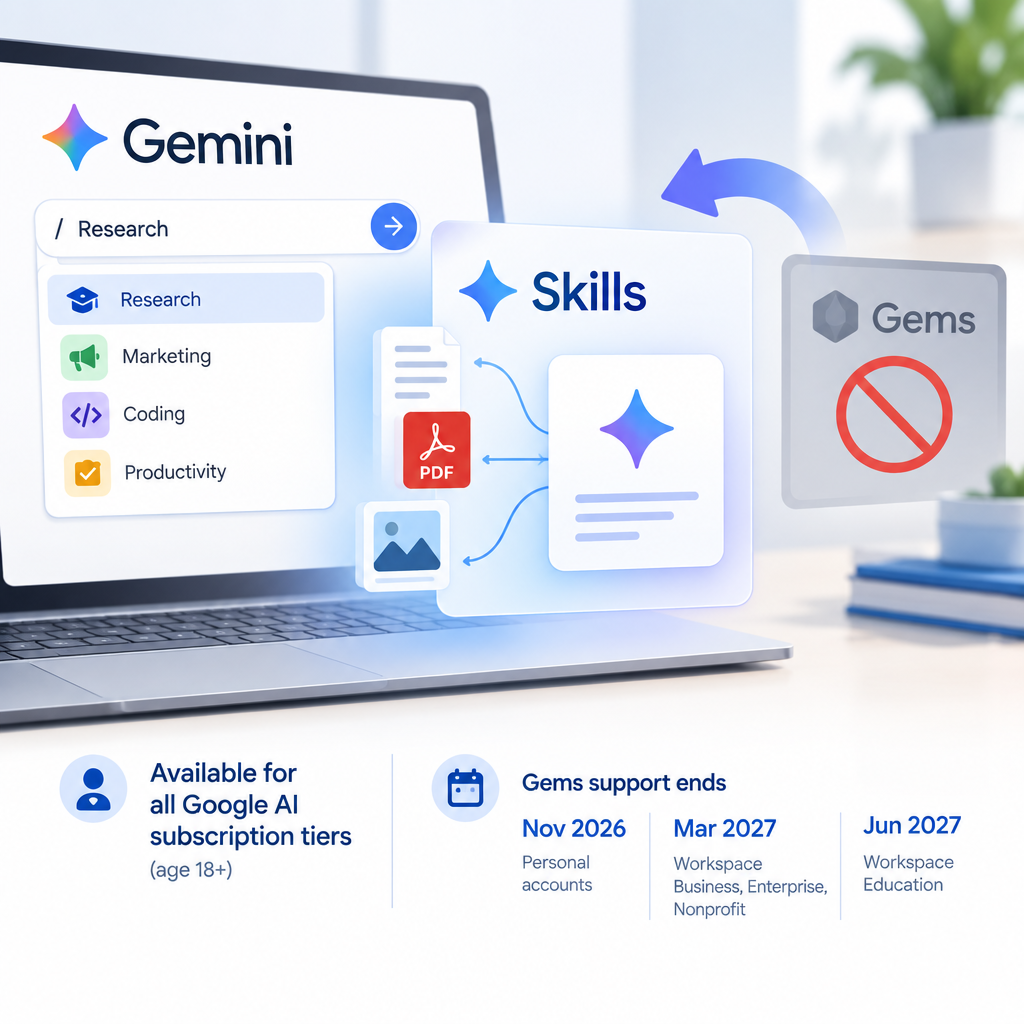
Google rolls out Gemini Skills and prepares to replace Gems

Google has begun rolling out Skills globally in Gemini chat. Users can save an instruction and invoke it by typing “/” followed by the Skill name. Skills can already include reference materials such as plain-text files, PDFs, and images, and users can combine several of them. Google also says Gemini can create a Skill from a chat and apply it to a matching request. Workspace Business, Enterprise, Nonprofit, and Education customers are due to receive access in the coming weeks; this does not mean every such customer has it today.

Read the analysis →
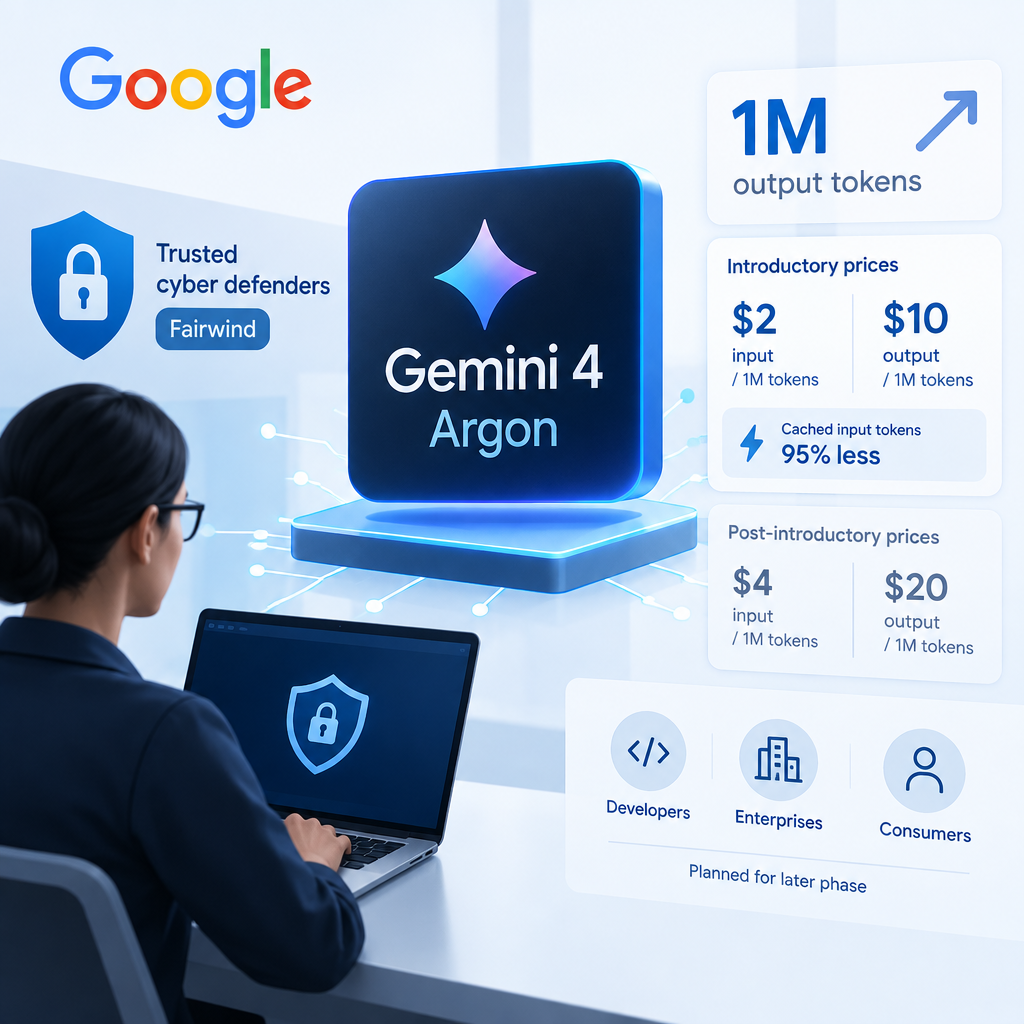
Google announces Gemini 4 Argon with limited initial access

Google has announced Gemini 4 Argon and begun providing access to a group of trusted cyber defenders through its Fairwind Program. It plans a wider release after early-user feedback and further work on safeguards, but gives no date. Google states that the model can produce up to 1 million output tokens, compared with a previous 64,000-token limit. Its announced introductory prices are $2 per million input tokens and $10 per million output tokens; cached input tokens are priced 95% below regular input tokens. Google Blog lists post-introductory prices of $4 and $20 respectively.

Read the analysis →

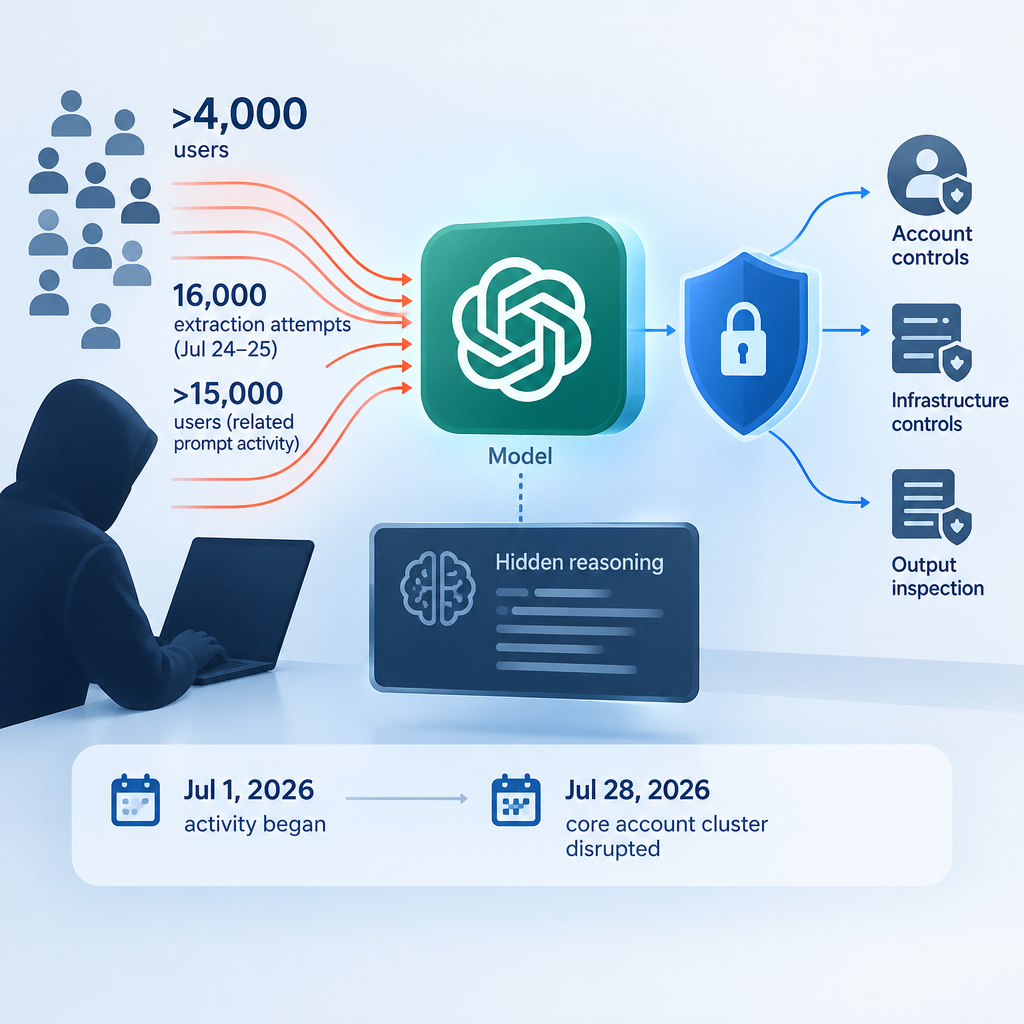
OpenAI describes attempts to extract hidden model reasoning and its defenses

OpenAI says it disrupted coordinated attempts to obtain hidden model reasoning for distillation: using one model’s output to help train another. Its disclosure concerns past activity, not a new product. The company says it closed paths for repeatedly obtaining reasoning, strengthened account and infrastructure controls, and inspected streamed output. OpenAI also shared findings with partners but says defenses in partner deployments and for data from connected tools still need work.

Read the analysis →

3 stories

Open issue →

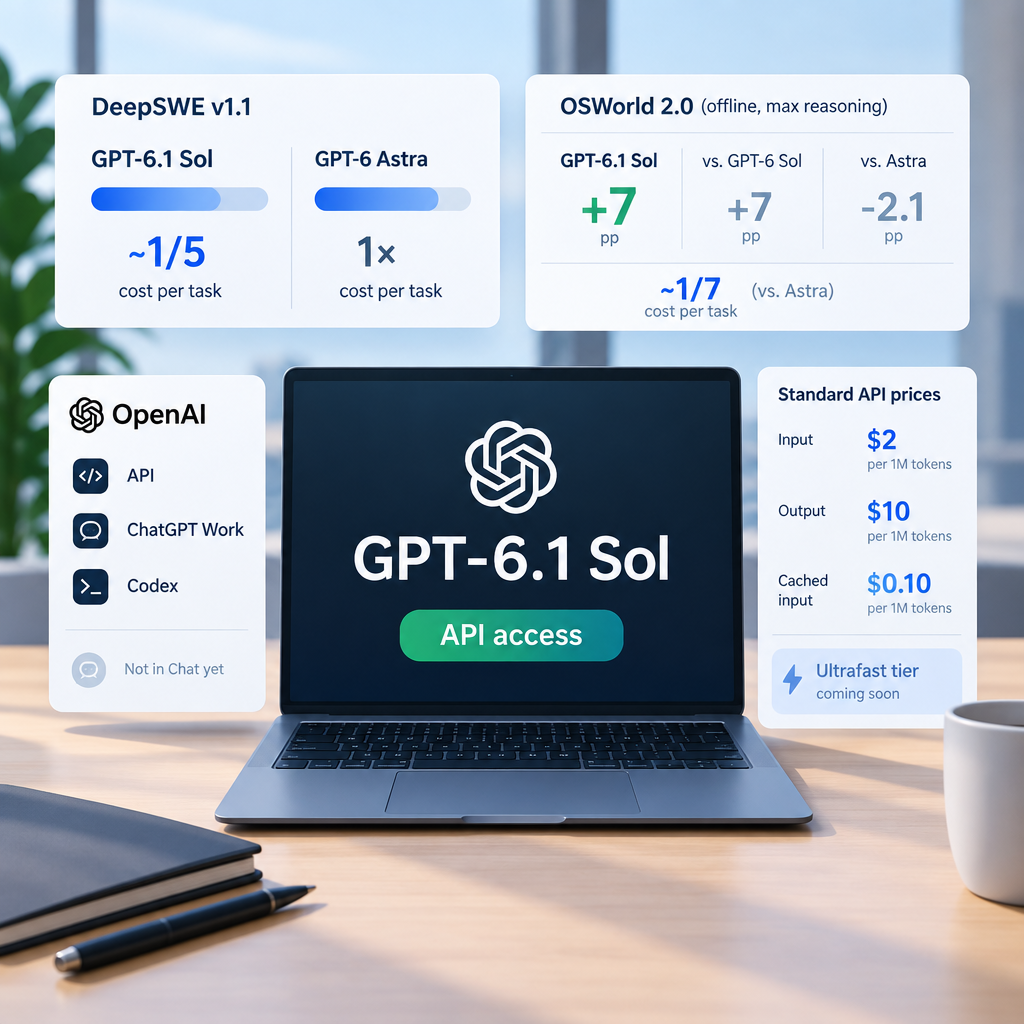
OpenAI releases GPT-6.1 Sol with API access

OpenAI introduced GPT-6.1 Sol as an upgrade to GPT-6 Sol. It is available in the API as gpt-6.1-sol and to Plus, Pro, Business, Enterprise, and Edu users in ChatGPT Work and Codex. It is not yet in Chat. Standard API prices are $2 per million input tokens and $10 per million output tokens; cached input costs $0.10 per million tokens. OpenAI plans to add an Ultrafast tier in the coming days.

Read the analysis →

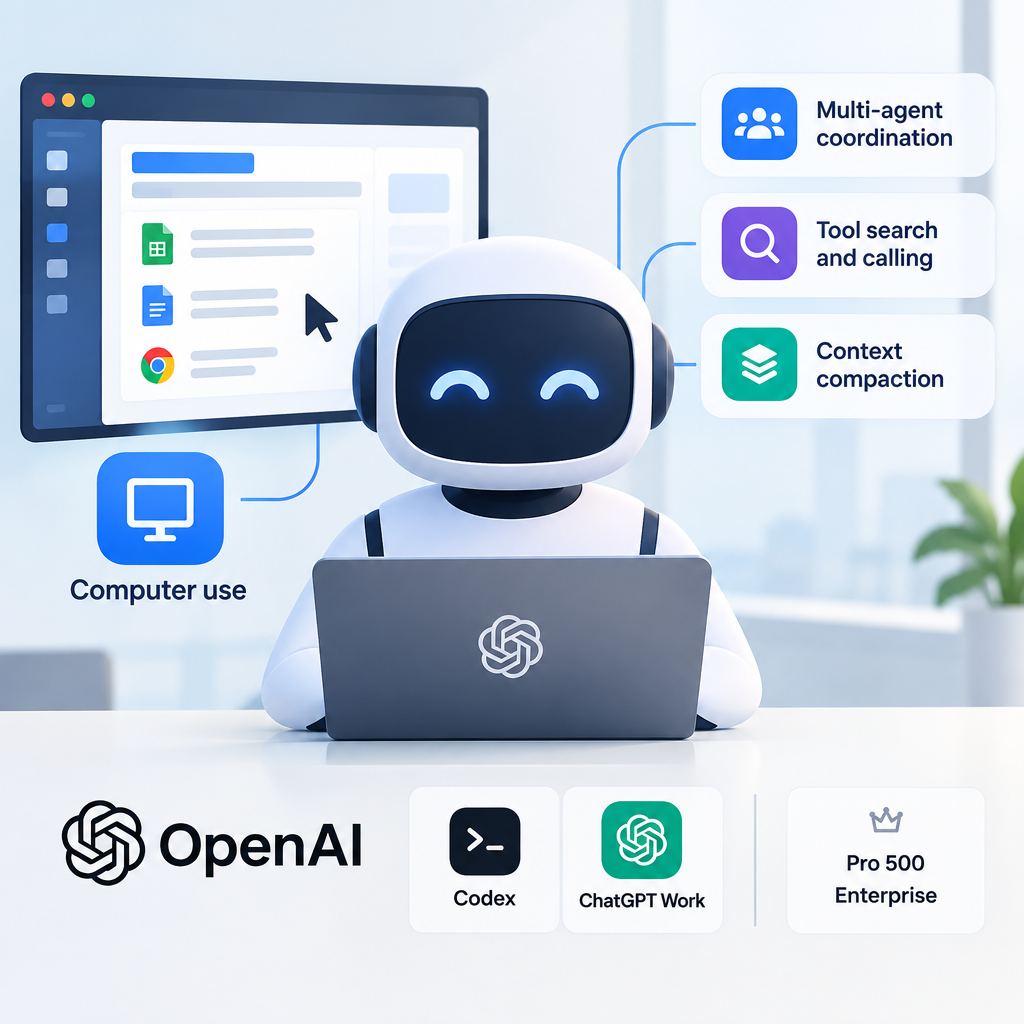
OpenAI adds computer use to the Agents API

In its DevDay recap, OpenAI said the Agents API now supports computer use, allowing agents to operate software through its interfaces. It also added capabilities from Codex: multi-agent coordination, tool search and calling, and context compaction. OpenAI runs the underlying infrastructure. A separate Decisions API is designed to select an answer from a finite set of predefined options; it has a different availability status.

Read the analysis →

OpenAI begins a limited rollout of persistent dots assistants

OpenAI introduced dots, persistent assistants powered by GPT-6 Astra. Each dot has its own cloud computer and browser. OpenAI says a dot can work across projects, learn from feedback, and use connections from an ecosystem of more than 4,000 apps. Users can contact dots in ChatGPT, Slack, or Teams, inspect their work, set boundaries and app permissions, and review actions that need approval. The rollout covers eligible markets for ChatGPT Pro and Business Premium users.

Read the analysis →

3 stories

Open issue →

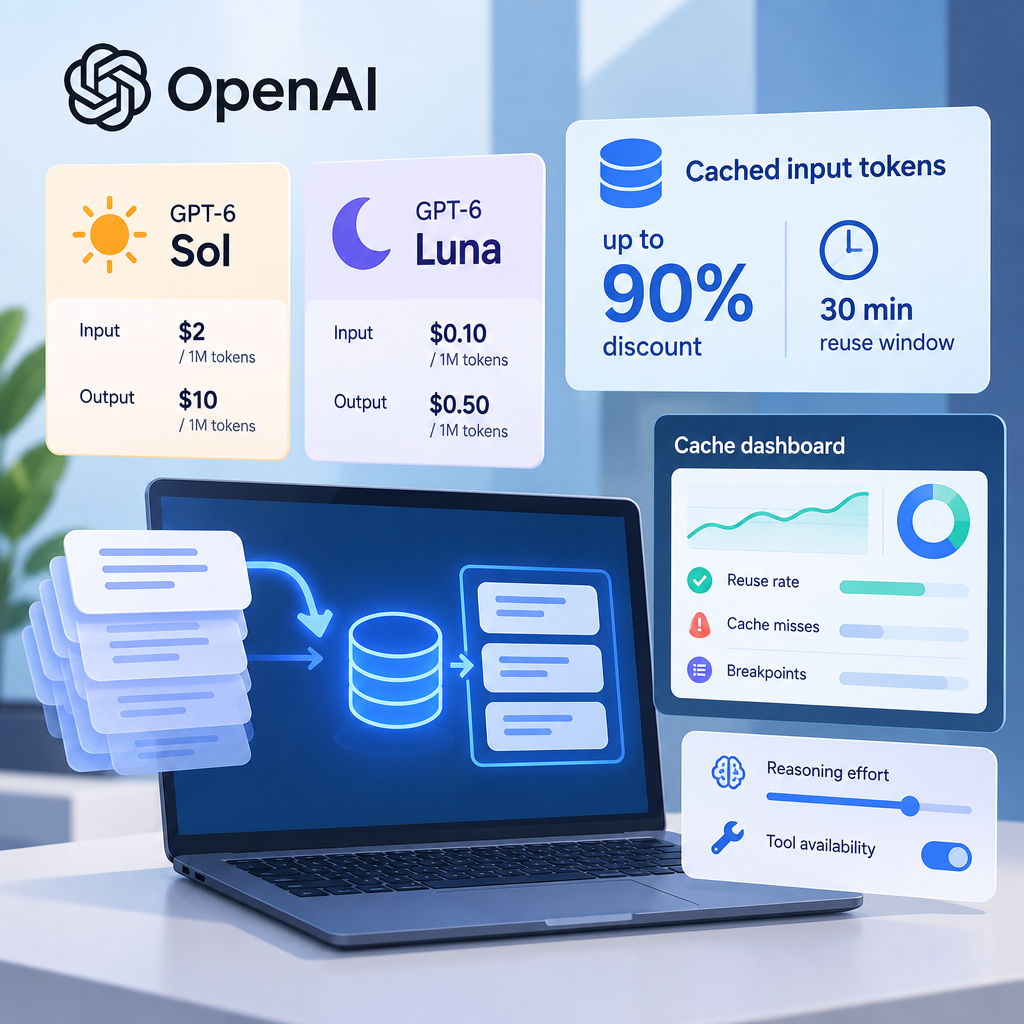
OpenAI releases GPT-6 Sol and Luna and updates prompt caching

OpenAI introduced two GPT-6 models. In the API, Sol costs $2 per million input tokens and $10 per million output tokens; Luna costs $0.10 and $0.50 respectively. The caching update adds a dashboard for monitoring reuse, diagnostics for cache misses, and explicit breakpoints for choosing which prompt prefixes to reuse. OpenAI also describes ways to change reasoning effort and tool availability without disrupting reuse of eligible context.

Read the analysis →

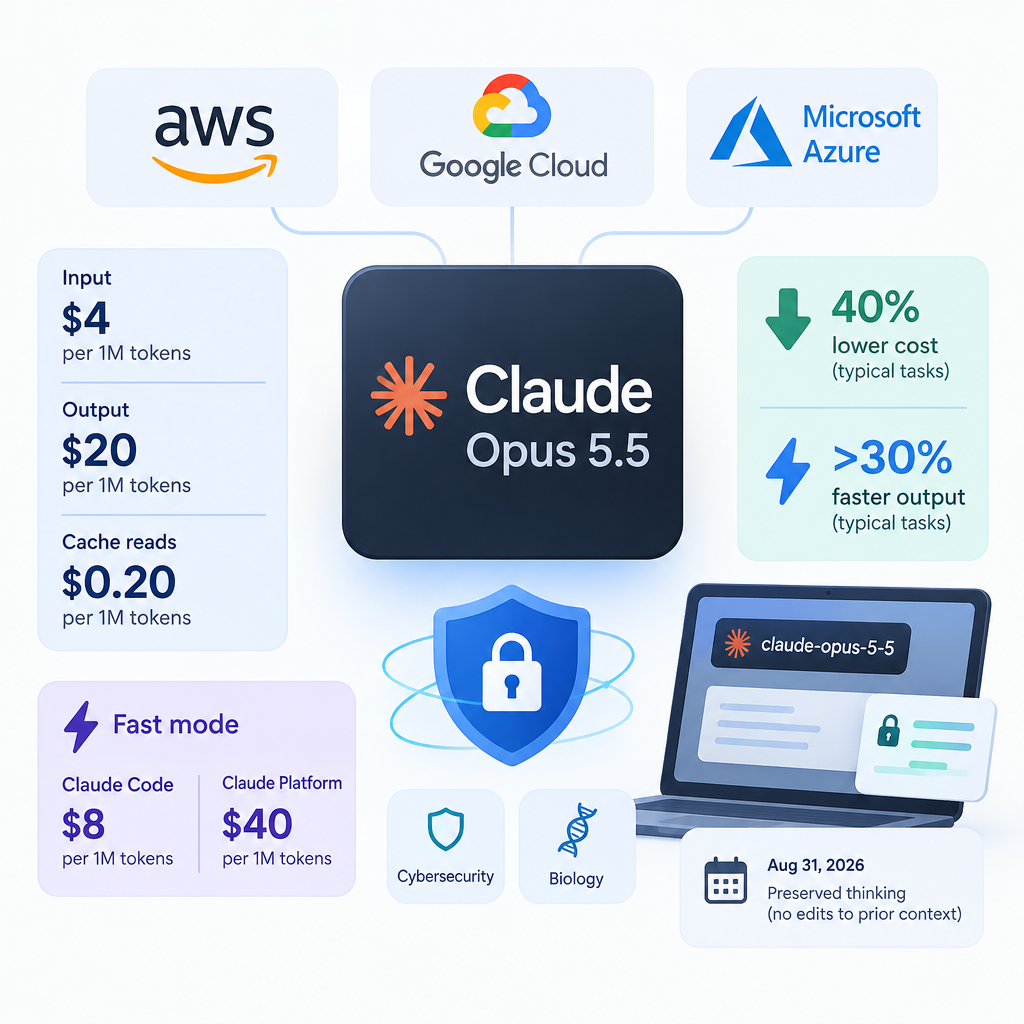
Anthropic releases Claude Opus 5.5 with new prices and safeguards

Claude Opus 5.5 is available on Anthropic’s platforms and through AWS, Google Cloud, and Microsoft Azure. Standard pricing is $4 per million input tokens and $20 per million output tokens; cache reads cost $0.20 per million. A separate fast mode is available in Claude Code and the Claude Platform at $8 and $40 respectively. The release includes safeguards for cybersecurity and biology tasks; for API accounts created on or after August 31, 2026, preserved thinking prevents edits to prior model context intended to extract its reasoning.

Read the analysis →

3 stories

Open issue →

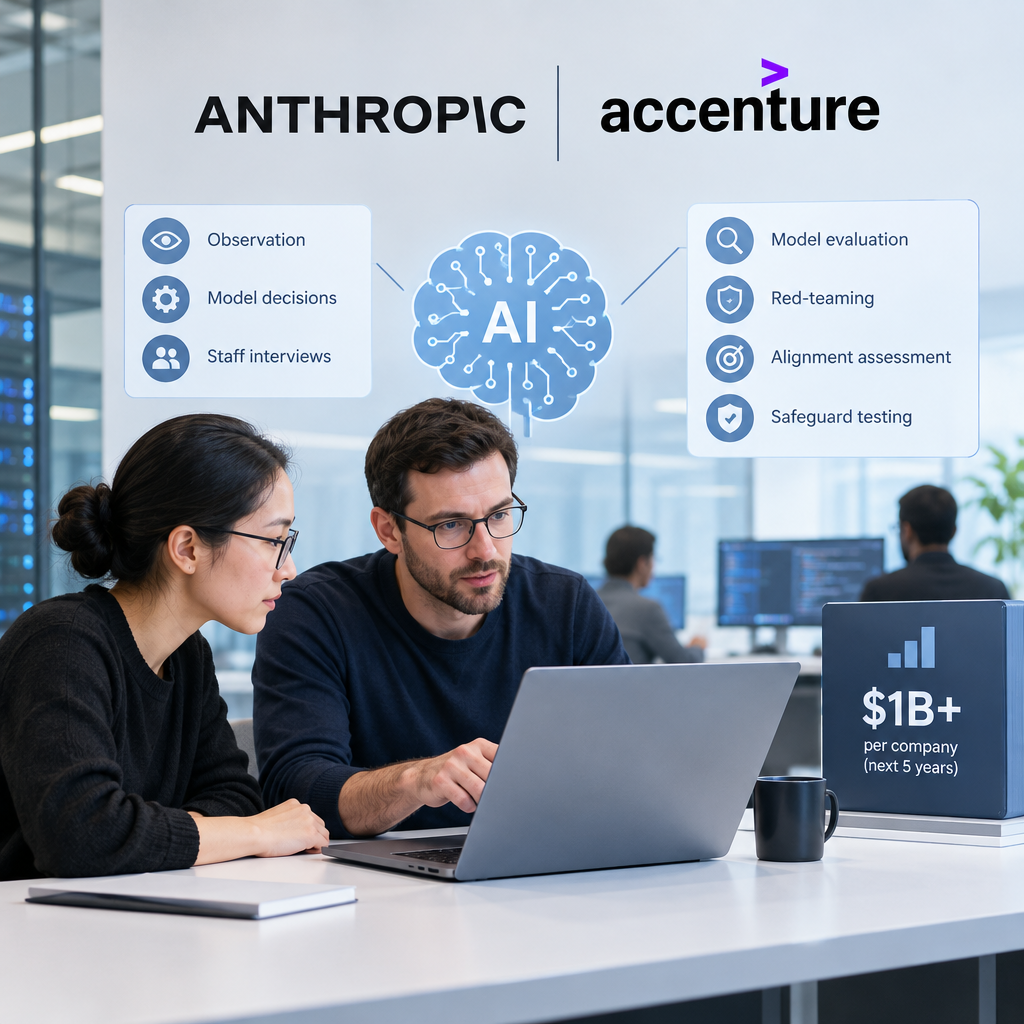
Anthropic and Accenture announce independent AI evaluation from inside the lab

Anthropic announced a non-exclusive partnership with Accenture for independent evaluation of frontier AI models. Faculty, Accenture’s specialist AI business, will lead the work. Plans include model evaluation, red-teaming, alignment assessments, and safeguard testing. According to Anthropic, each company expects to invest at least $1 billion in building capacity in this area over the next five years; these are expectations, not a report of money already invested.

Read the analysis →

Google describes two Flow tools for fashion-show preparation

Google says its Envisioning Studio, supported by Google Labs, co-developed two specialised Flow tools with Jane Wade and Sergio Hudson ahead of New York Fashion Week. According to Google, Styling Suite helped Wade assemble digital looks before making additional garments. The company says Runway Visualization allowed Hudson to simulate the venue, change lighting and props using options within his budget, and refine the models’ routes.

Read the analysis →

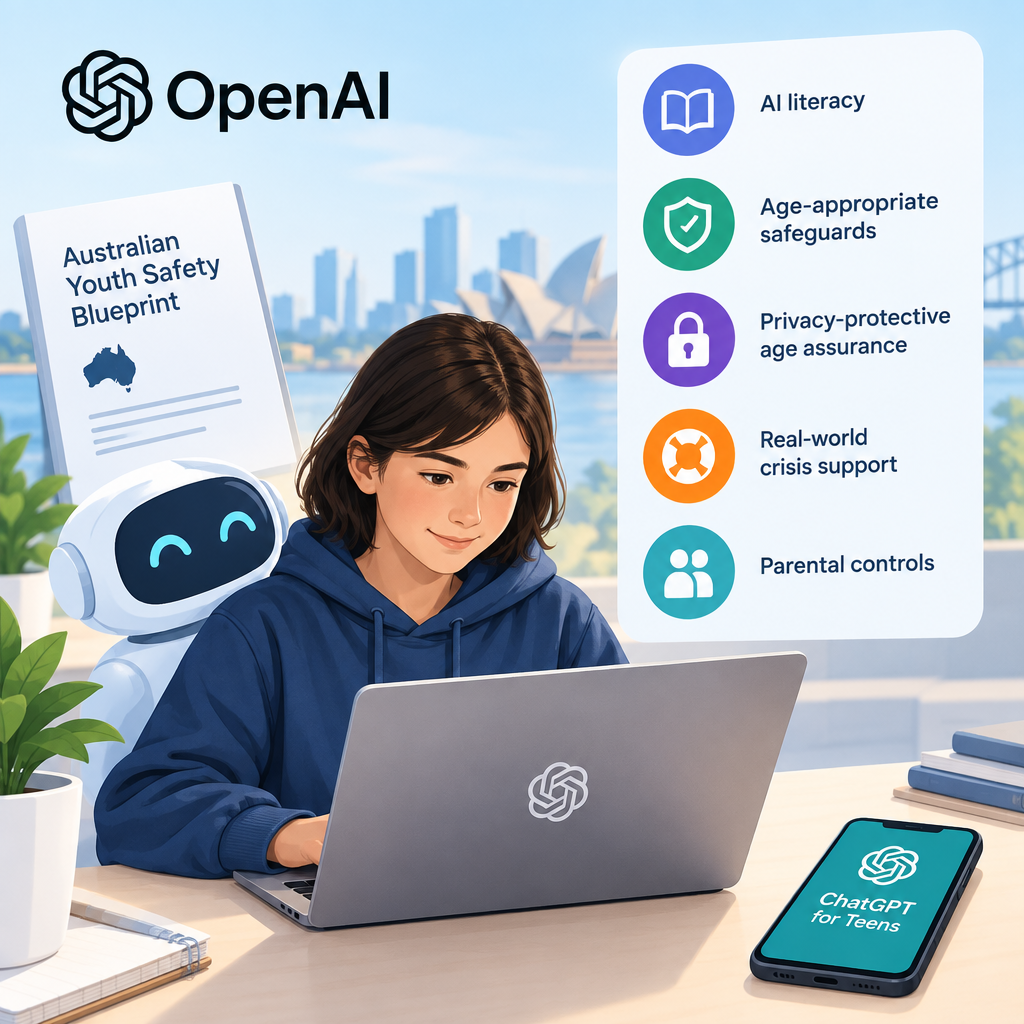
OpenAI publishes an Australian roadmap for teen safety

OpenAI published the Australian Youth Safety Blueprint, a roadmap for protecting young AI users. The company describes six pillars, but the supplied text names only five: AI literacy, age-appropriate safeguards, privacy-protective age assurance, connections to real-world crisis support, and accessible parental controls. OpenAI also said it began rolling out ChatGPT for Teens in Australia in August, as the default experience for users identified as aged 13–17.

Read the analysis →